


When choosing a commercial coffee machine, one of the first decisions is whether to go for a bean-to-cup or traditional espresso machine.
Both use freshly ground coffee, but they work differently and suit different types of business.
For most offices, a bean-to-cup machine is usually the more practical option. For cafés with trained baristas, a traditional espresso machine will often be the better choice.
There are exceptions, of course. The right machine depends on how many coffees you need to make, the drinks you want to serve and how much time your staff can spend preparing them.
Bean-to-cup vs traditional espresso: the main differences
Here's a quick comparison of the two types of machine.
| Feature | Bean-to-cup | Traditional espresso |
|---|---|---|
| Operation | Mostly automatic | Manual preparation |
| Training | Minimal training for everyday use | Barista training recommended |
| Coffee control | Programmed settings | Greater manual control |
| Milk drinks | Automatic on suitable models | Usually steamed manually |
| Typical use | Offices and self-service | Cafés and coffee shops |
| Cleaning | Guided programmes and manual tasks | Regular manual cleaning |
Neither type is automatically better. The most important thing is choosing a machine that suits how your business operates.
What is a bean-to-cup coffee machine?
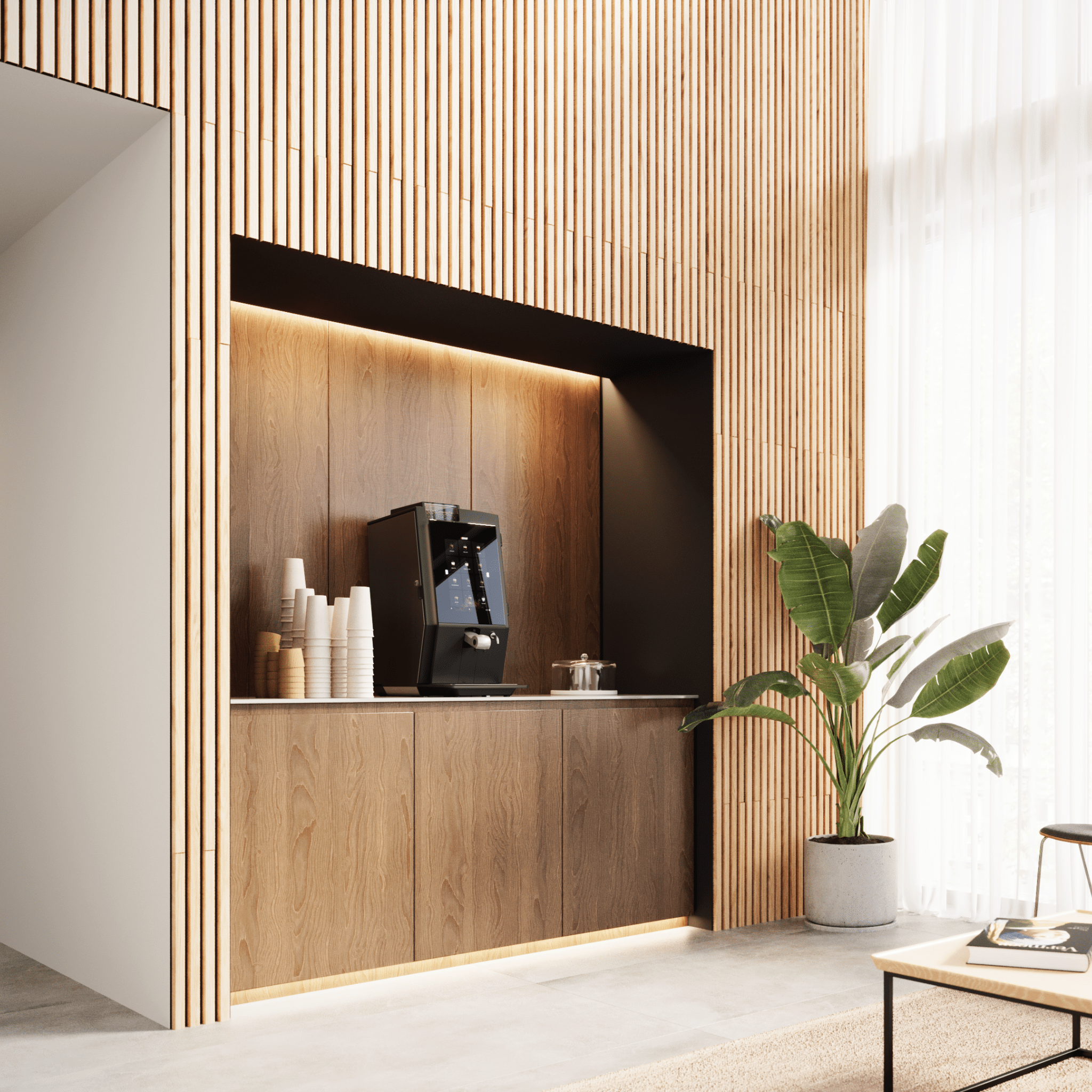
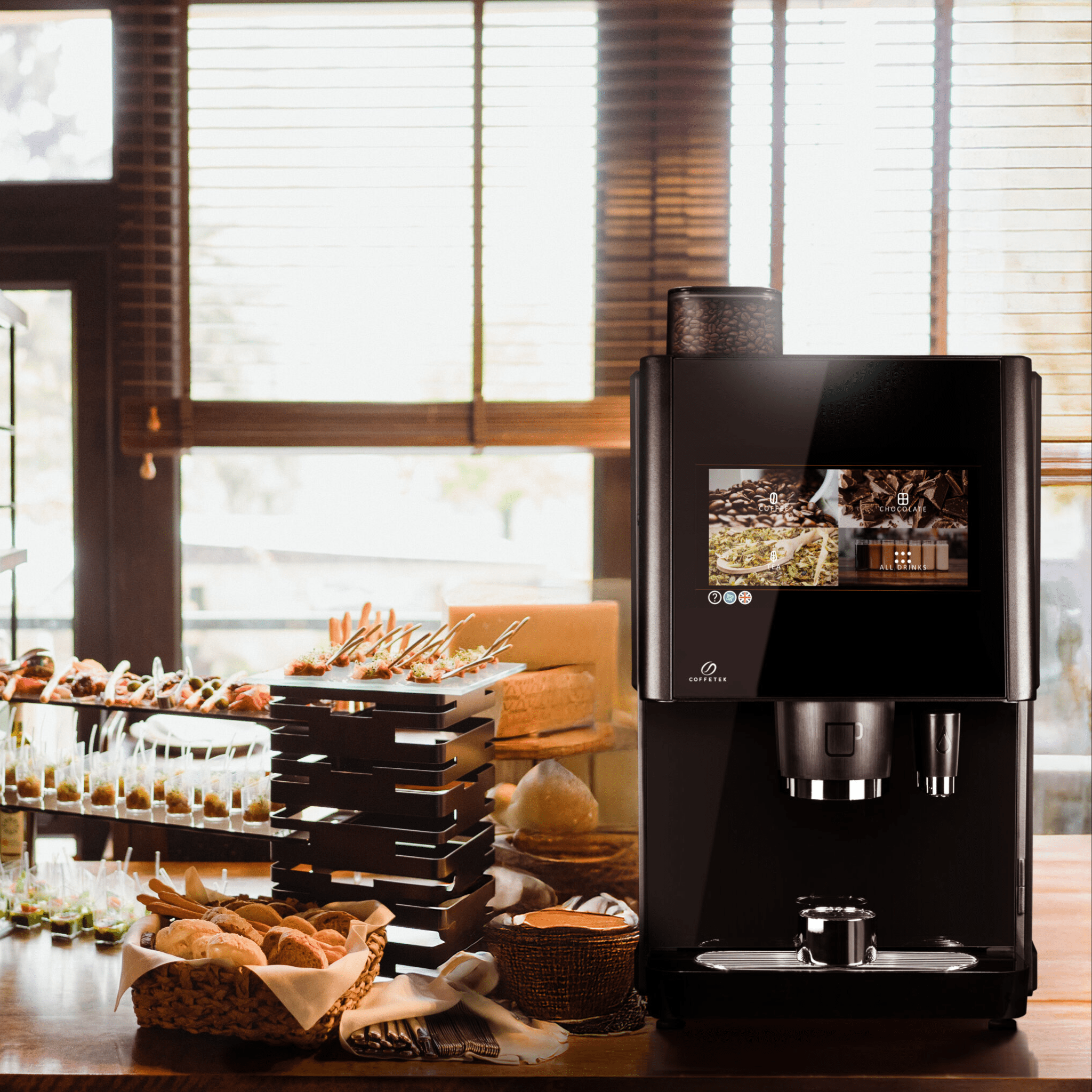
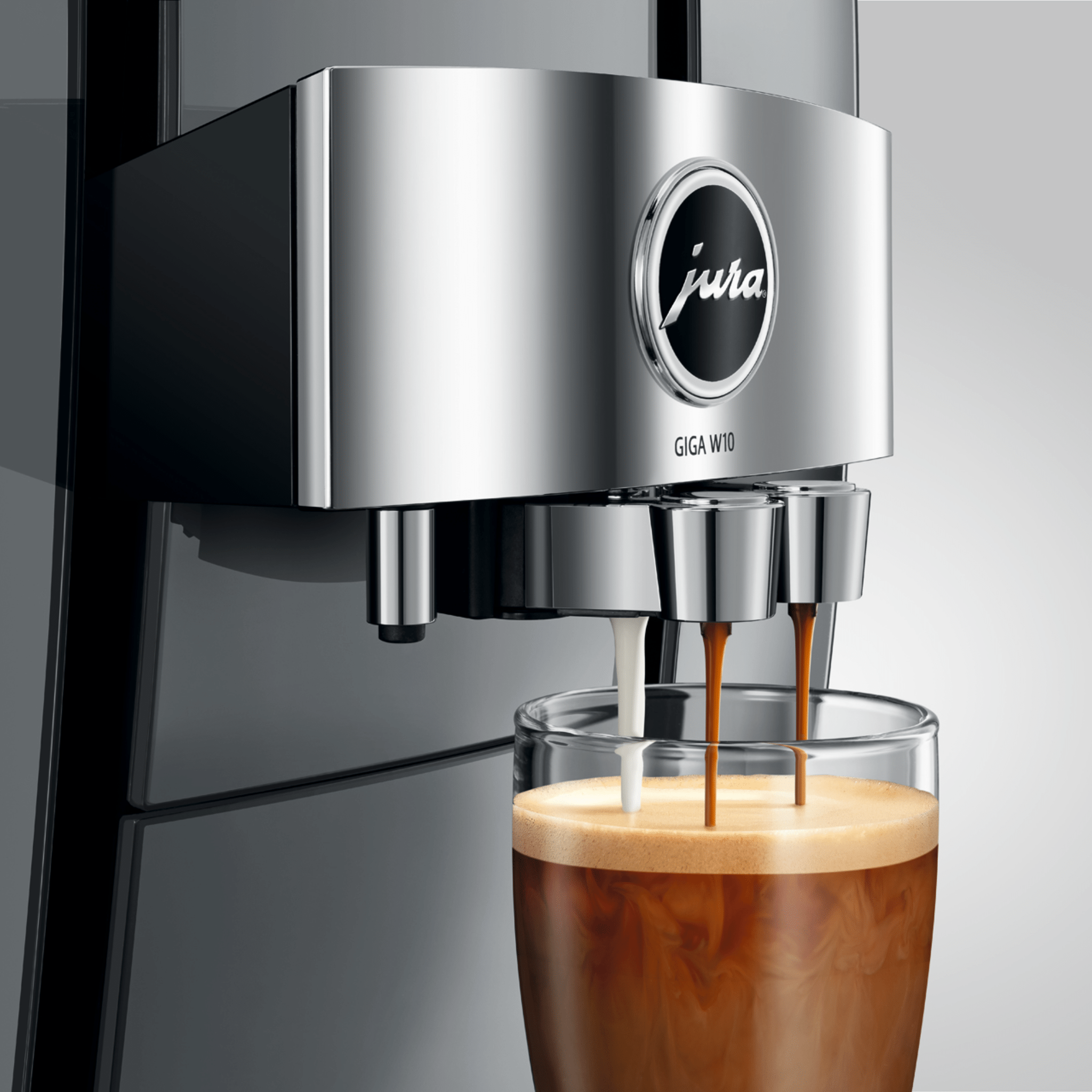
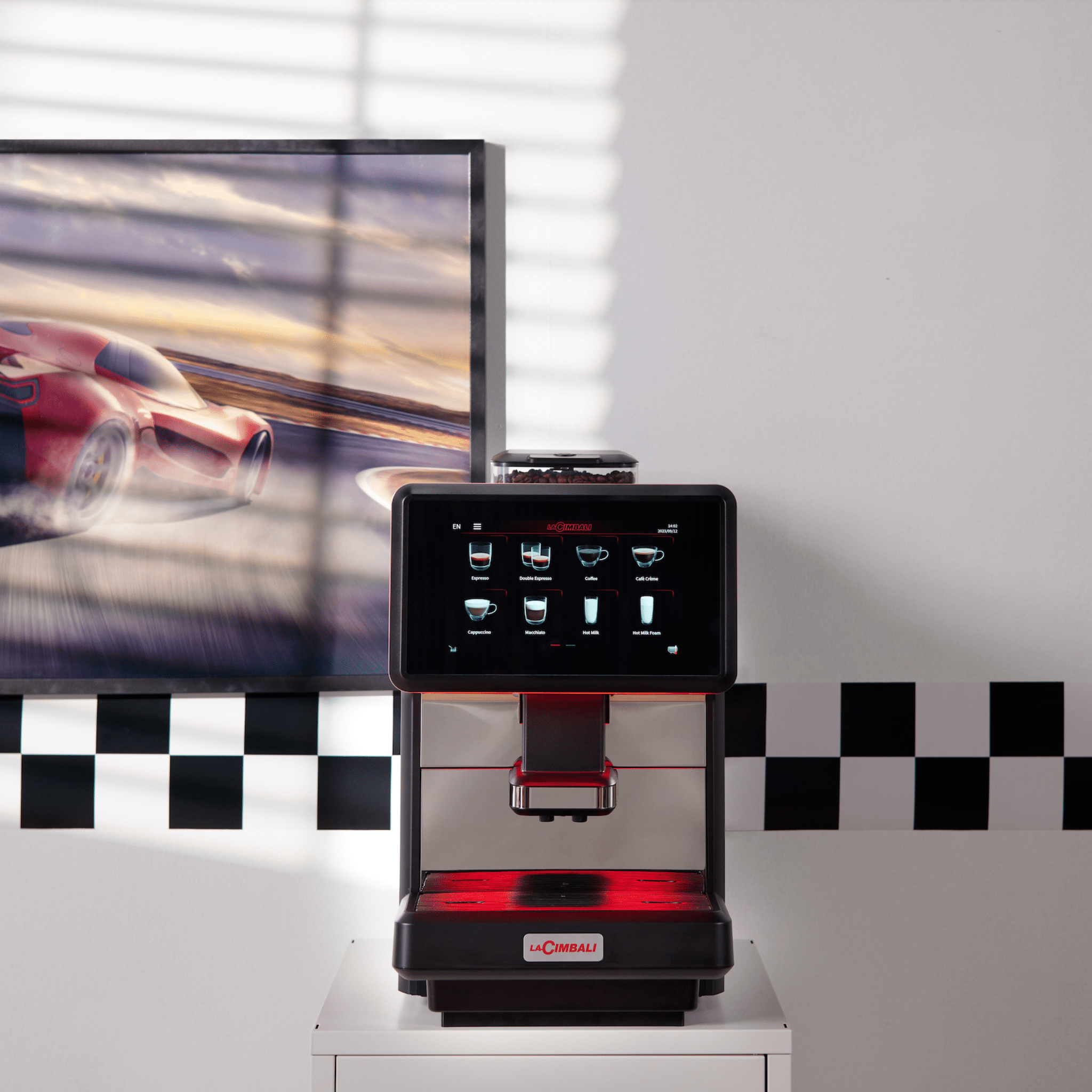
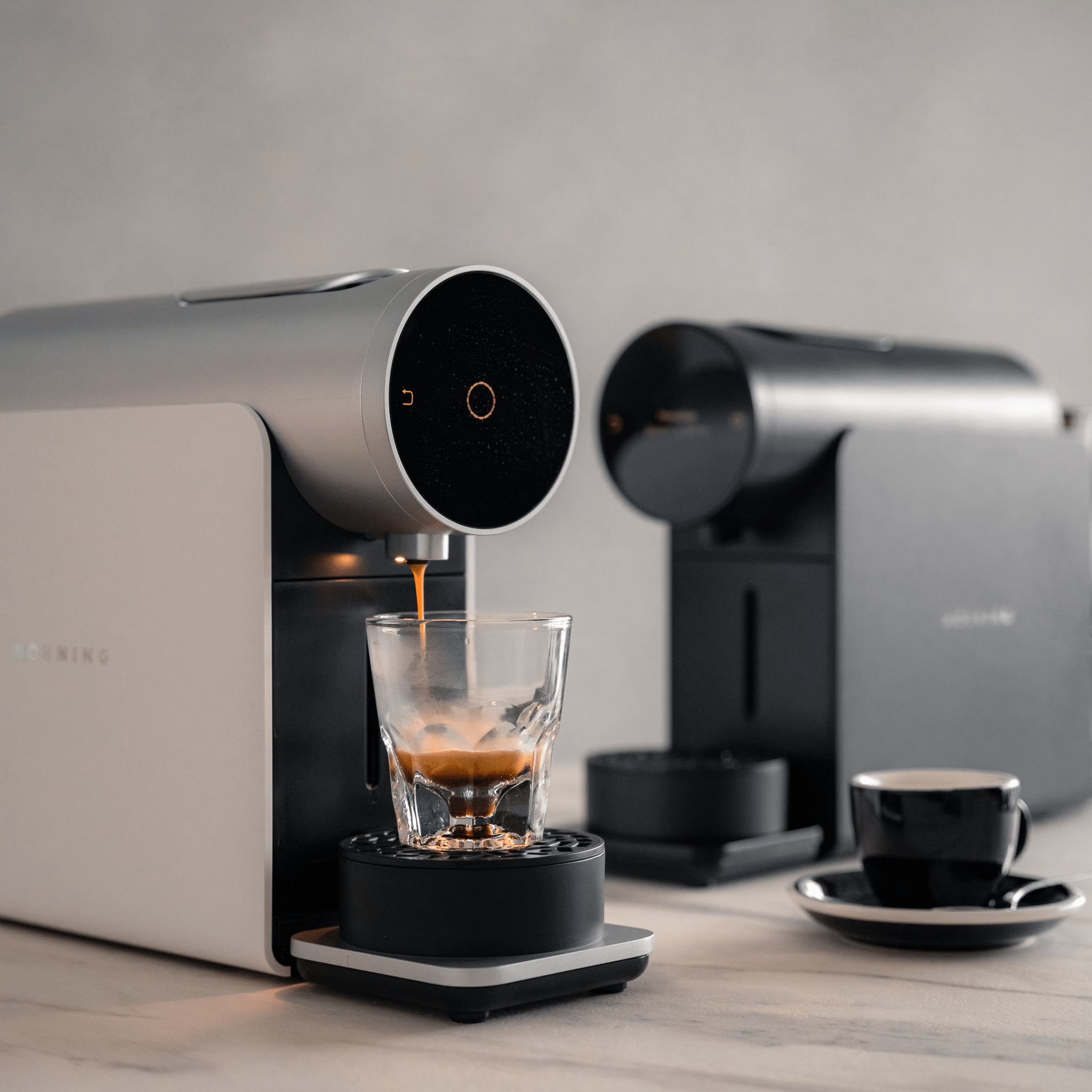
A bean-to-cup machine grinds fresh coffee beans and prepares drinks automatically.
Depending on the model, users can select espresso, americano, cappuccino, latte and other drinks from a menu.
They're commonly used in offices, hotels and workplaces because staff can make coffee without needing specialist training.
Commercial bean-to-cup machines are available from manufacturers including Jura, Coffetek, Bravilor and La Cimbali.
Advantages of bean-to-cup machines
- Simple operation for staff and visitors
- Freshly ground coffee
- Consistent preparation using programmed settings
- Suitable for self-service environments
- A wide choice of drinks on many models
Things to consider
Automatic machines still need cleaning and maintenance.
If you choose a machine with a fresh milk system, you'll also need to consider refrigeration and daily milk system cleaning.
It's important to check that the machine has enough capacity for your busiest periods.
What is a traditional espresso machine?
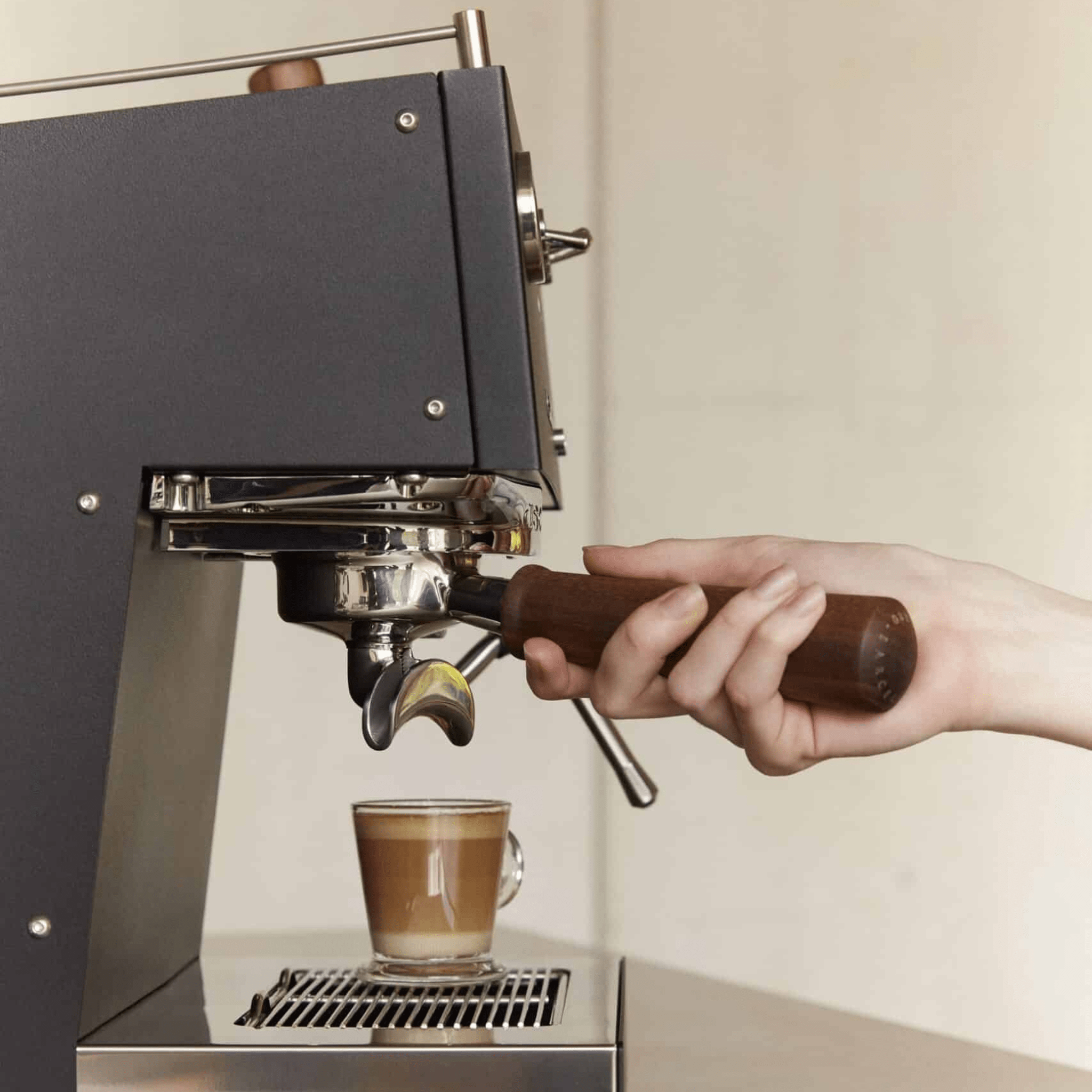
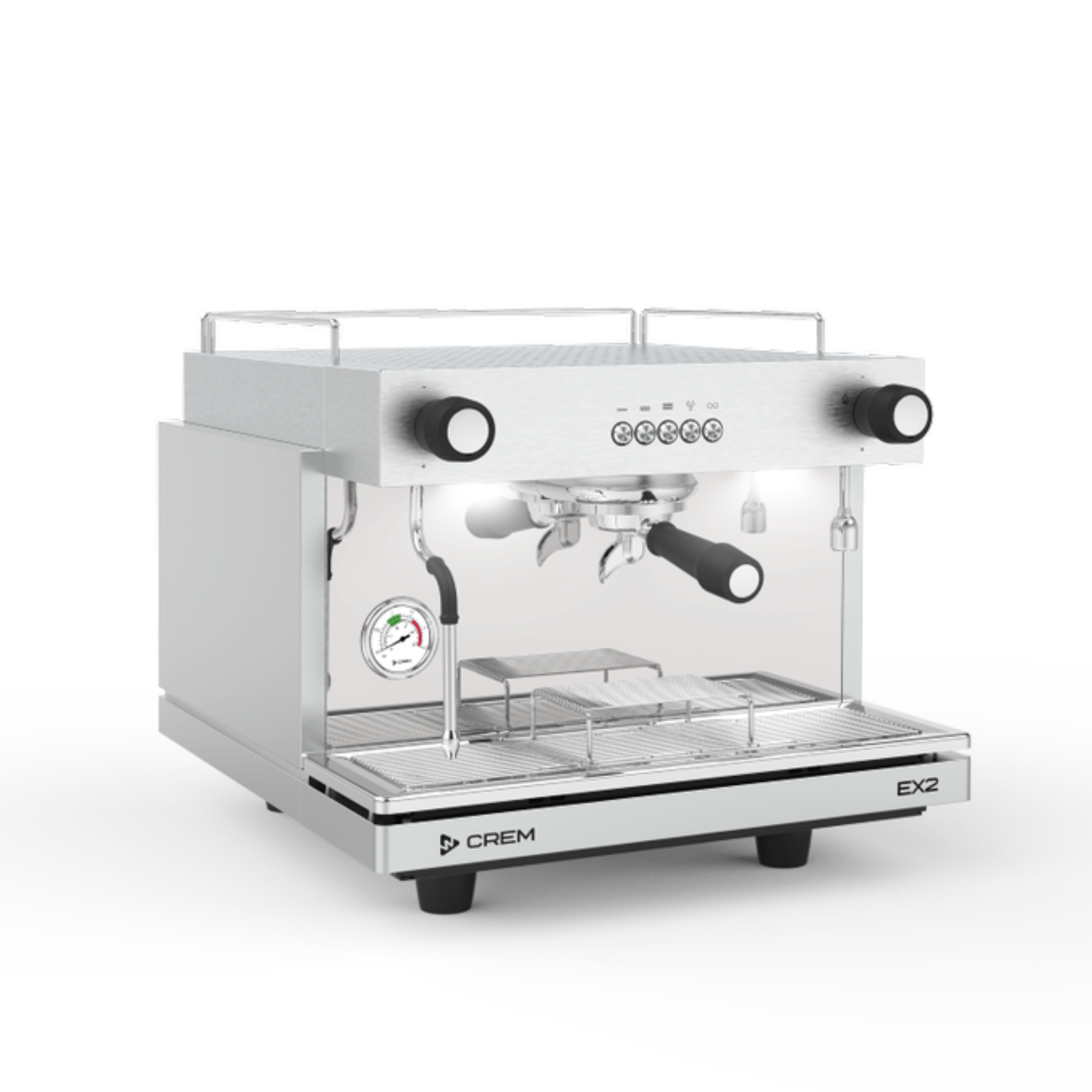
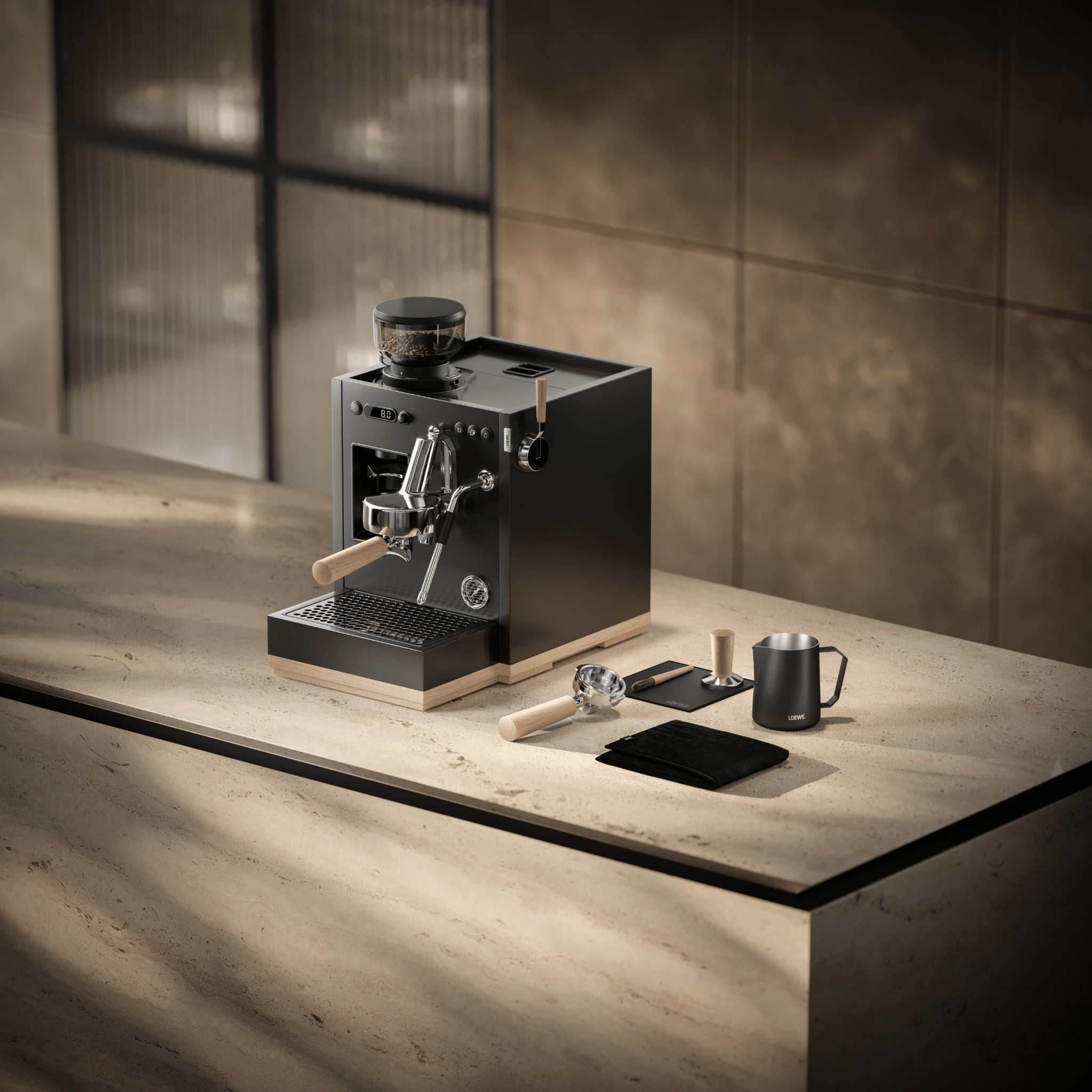
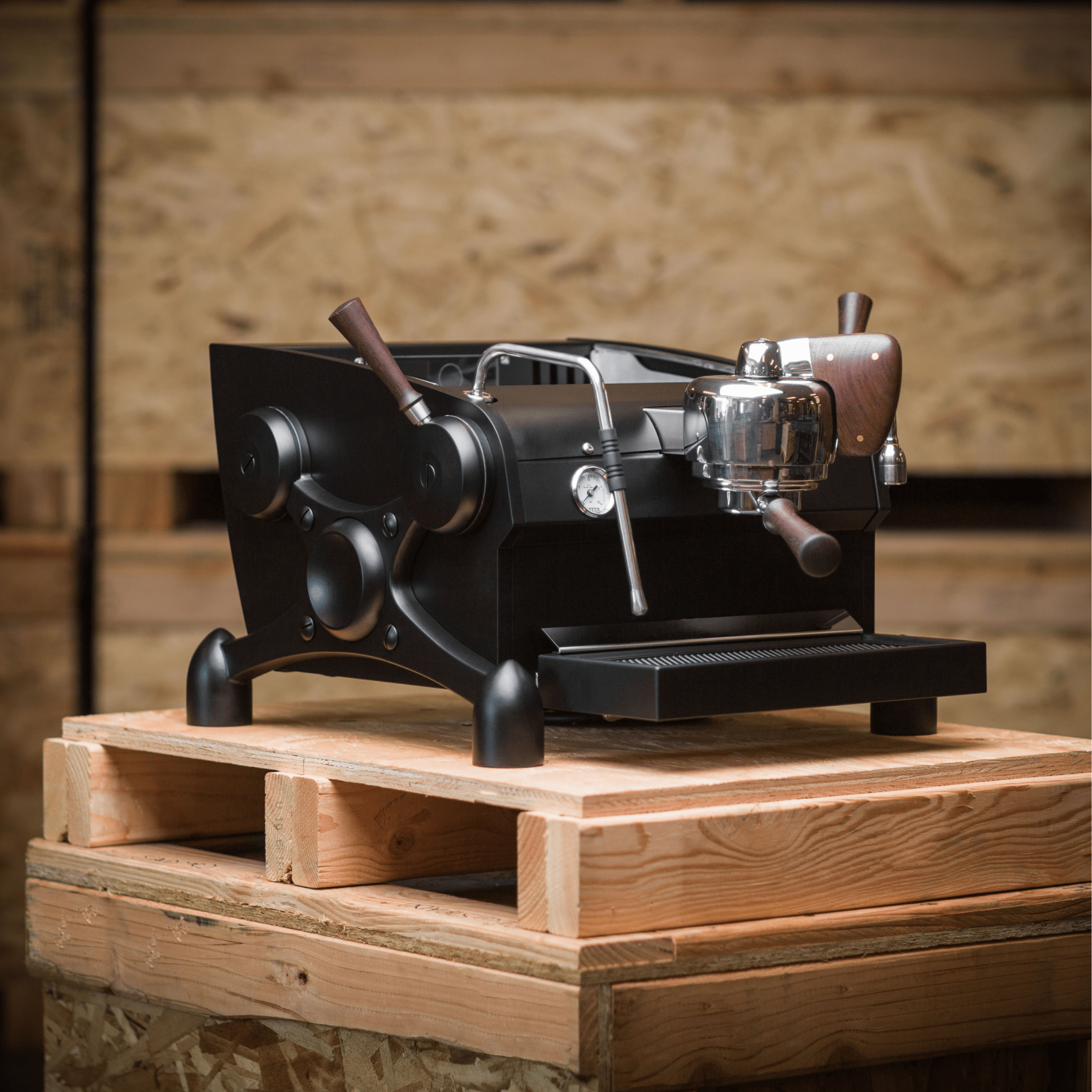
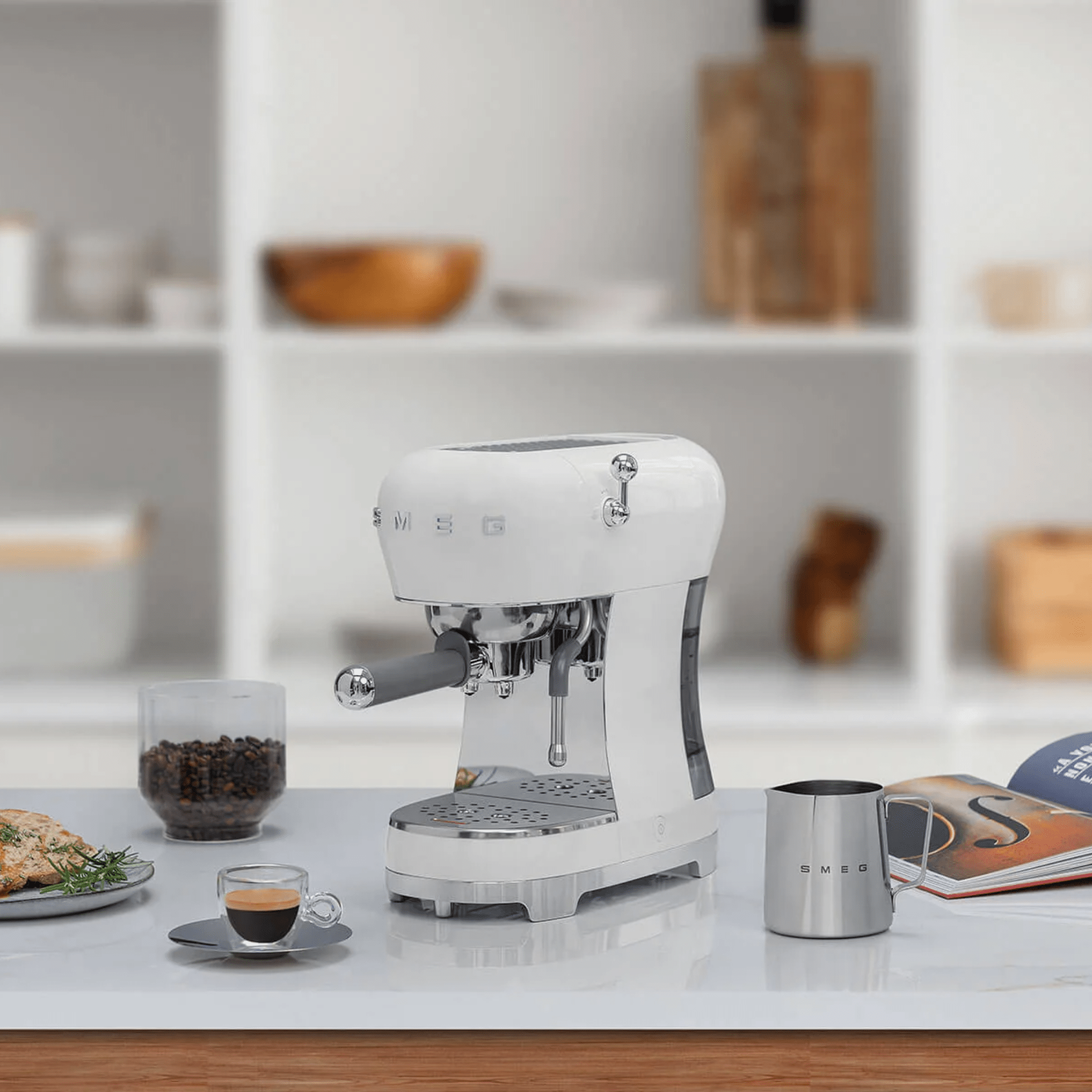
A traditional espresso machine uses a portafilter and group head to prepare espresso.
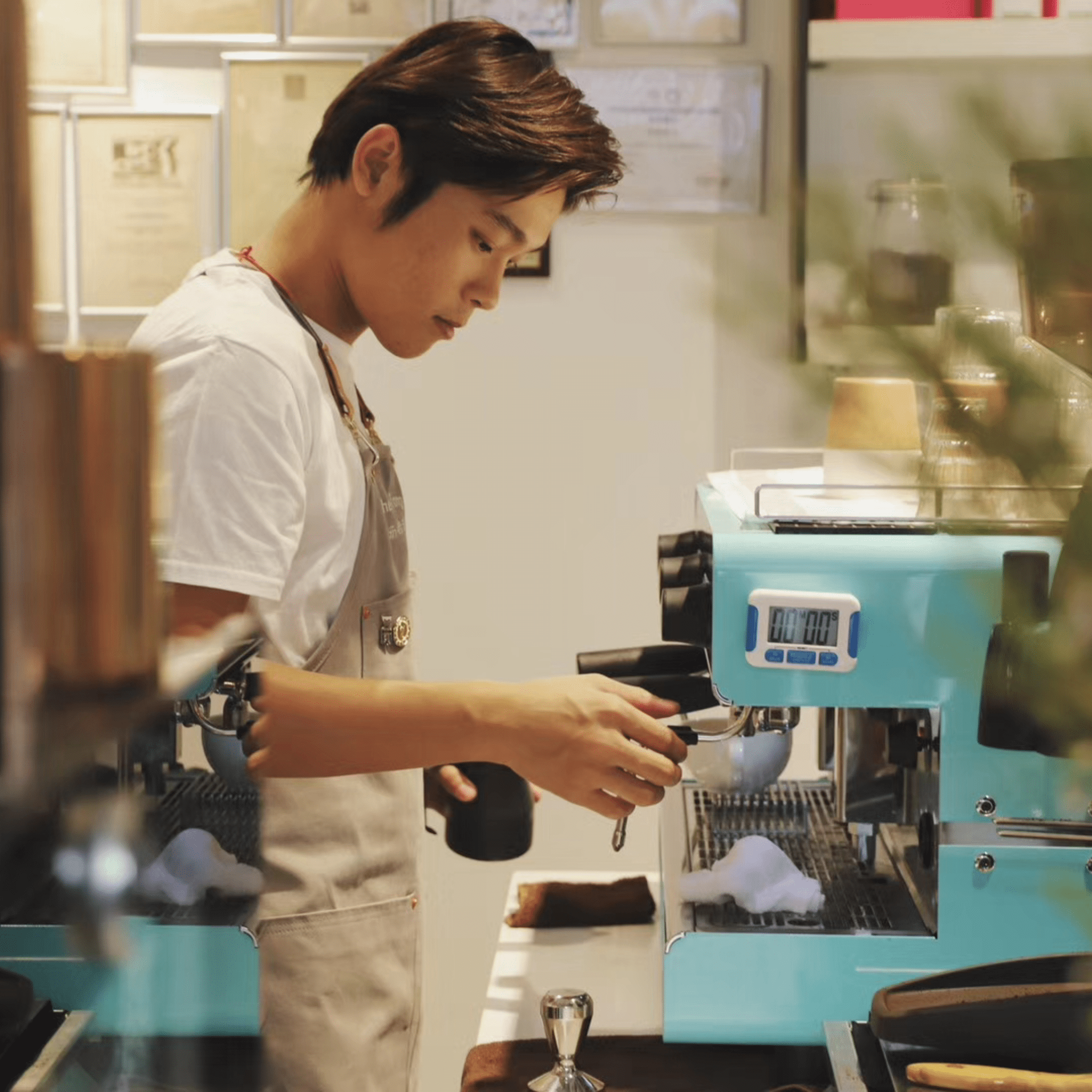
The operator normally grinds the coffee, prepares the portafilter, extracts the espresso and steams the milk separately.
This gives trained staff more control over the coffee preparation process, but it also means the results depend partly on their experience.
Traditional commercial espresso machines are available from manufacturers including CREM, Sanremo, Ascaso and La Cimbali.
Advantages of traditional espresso machines
- More control over espresso preparation
- Suitable for trained baristas
- Manual milk steaming
- Well suited to dedicated coffee service
- Different group sizes for different workloads
Things to consider
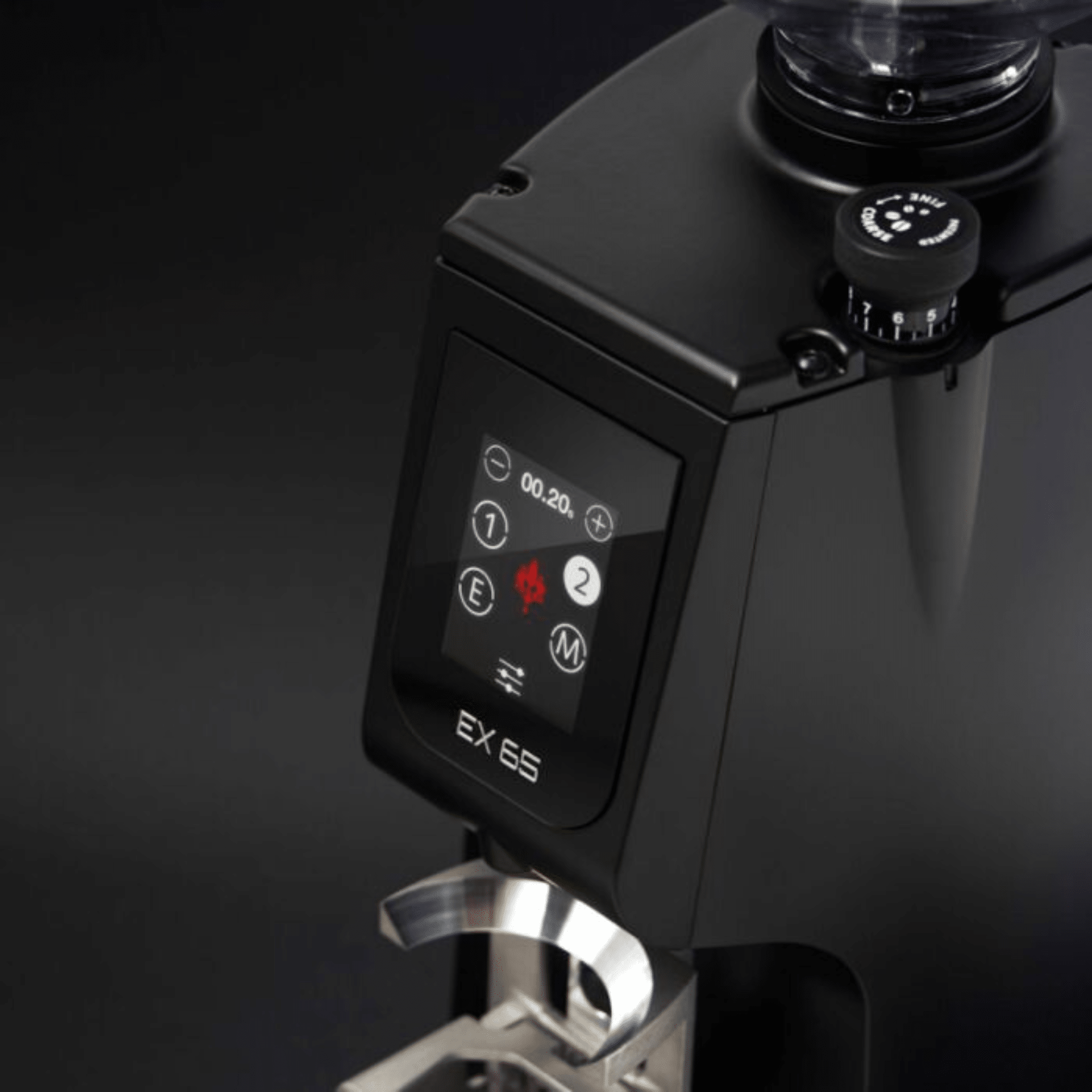
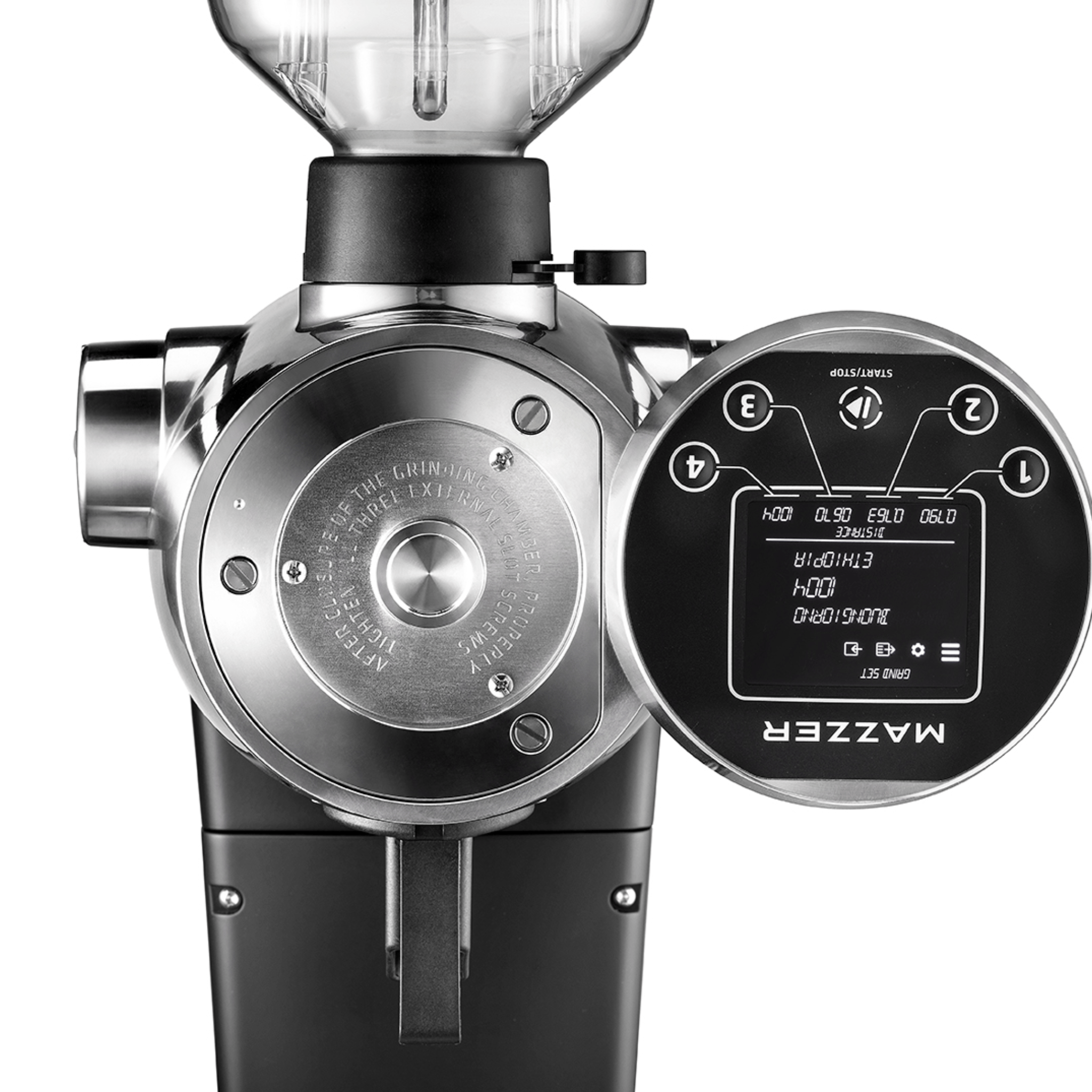
Traditional machines generally require a separate commercial grinder and trained staff.
You'll also need to allow enough space for the machine, grinder, knock box and other accessories.
Many commercial models require mains water, drainage and suitable electrical connections.
Which makes better coffee?
Both types of machine can produce good coffee.
A traditional espresso machine gives an experienced barista more control over the grind, extraction and milk preparation.
A bean-to-cup machine is designed to make the process more consistent and convenient, particularly when several different people use it.
The coffee beans, machine settings, water quality and maintenance also make a difference.
For a café where coffee is a major part of the business, manual control may be important. For an office, convenience and consistency are often higher priorities.
Which is faster?
It depends on the machine, the drinks being prepared and who's using it.
A bean-to-cup machine can prepare drinks with very little staff involvement. This is particularly useful in offices where employees make their own coffee.
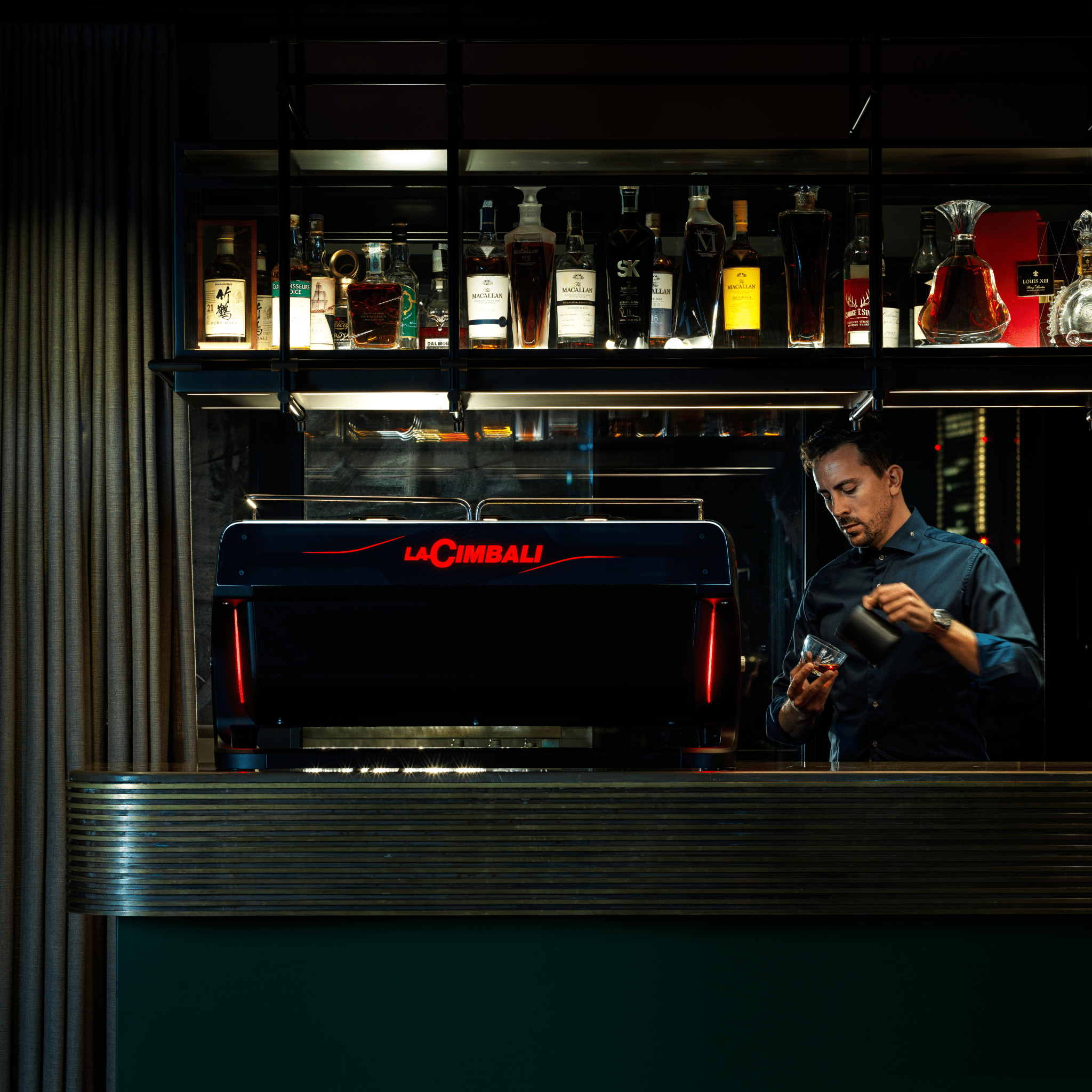
A trained barista using a traditional two-group machine can manage multiple orders during busy service.
We'd recommend looking at how many drinks you need during your busiest hour, rather than relying only on daily capacity figures.
Which is easier to clean and maintain?
Neither type is maintenance-free.
Bean-to-cup machines often have guided cleaning programmes, but staff will still need to empty waste containers, clean components and maintain milk systems where fitted.
Traditional espresso machines require regular cleaning of group heads, portafilters, steam wands and other parts.
Both types may also require water filtration and professional servicing.
Always follow the manufacturer's cleaning and maintenance instructions.
Which costs more?
Commercial bean-to-cup machines typically range from around £1,500 to more than £10,000 excluding VAT.
Traditional commercial espresso machines can range from around £2,000 to more than £15,000 excluding VAT.
These are broad guide prices, and the ranges overlap considerably.
With a traditional espresso machine, remember to include the cost of a suitable grinder, water filtration and installation accessories.
With a bean-to-cup machine, check whether milk refrigeration, water filtration and other accessories are required.
It's worth comparing the complete setup and ongoing running costs rather than the machine price alone.
For more information, read our commercial coffee machine pricing guide.
Which machine is best for an office?
For most offices, we'd recommend starting with a commercial bean-to-cup machine.
Employees can prepare their own drinks without needing barista training, and many machines offer a good selection of coffees.
Suitable options are available from Jura, Bravilor, Coffetek and La Cimbali.
The right model depends on your daily coffee volume, available space and whether you need fresh milk drinks.
Read our guide to the best office coffee machines for more information.
Which machine is best for a café?
If freshly prepared espresso is a major part of your business, a traditional commercial machine is often the better starting point.
It gives trained staff more control and allows them to prepare coffee using a dedicated grinder and milk steaming equipment.
Manufacturers such as CREM, Sanremo, Ascaso and La Cimbali offer a range of traditional commercial machines.
However, bean-to-cup machines can also be suitable for restaurants, hotels and smaller hospitality businesses where staff need a straightforward way to prepare coffee.
Read our commercial coffee machine guide for cafés and restaurants.
Commercial bean-to-cup machines worth considering
Some of the commercial automatic machines we supply include:
- Jura W8: A compact option for smaller workplaces.
- Jura X10: Worth considering for offices wanting a wider selection of drinks.
- Bravilor Sego: A compact automatic coffee machine range.
- Bravilor Esprecious: Commercial automatic machines with different configuration options.
- Coffetek Vitro X1 Espresso: Designed for commercial self-service environments.
- La Cimbali S20: A fully automatic machine for professional environments.
- Jura GIGA X3c and X8c: Mains-connected options for busier workplaces.
Browse Bravilor coffee machines
Browse Coffetek coffee machines
Browse La Cimbali bean-to-cup coffee machines
Traditional commercial espresso machines worth considering
If you're looking for a traditional machine, some of the ranges worth comparing include:
- CREM EX2: Commercial espresso machines in compact and larger group configurations.
- CREM EX3: Traditional espresso machines with different controls and group options.
- Sanremo D8: A commercial espresso machine range for cafés and hospitality businesses.
- Sanremo Zoe: Worth considering for smaller cafés and businesses with limited space.
- Ascaso BAR: Traditional commercial machines in different group sizes.
- La Cimbali M26: A professional espresso machine range.
- La Cimbali M40: Premium traditional espresso equipment for professional use.
Browse Sanremo coffee machines
Browse La Cimbali traditional espresso machines
Can you lease either type of coffee machine?
Finance may be available for both commercial bean-to-cup and traditional espresso machines.
We work with Kennet Equipment Leasing Limited to introduce eligible UK limited companies to equipment finance options.
Finance is subject to status, credit approval and the lender's terms. The total amount payable may be higher than the outright purchase price.
Read more about coffee machine finance and leasing.
Frequently asked questions
Is bean-to-cup coffee the same as instant coffee?
No. Bean-to-cup machines grind fresh coffee beans and brew coffee. Instant machines use soluble coffee ingredients.
Can bean-to-cup machines make cappuccinos and lattes?
Yes. Many commercial bean-to-cup machines offer milk-based drinks. Check whether the machine uses fresh or powdered milk and what additional equipment is needed.
Do traditional espresso machines need a separate grinder?
Yes. Traditional commercial espresso machines generally require a separate grinder suitable for espresso preparation.
Are bean-to-cup machines suitable for cafés?
They can be. They're particularly worth considering where staff need a straightforward way to prepare coffee without specialist barista training.
Are traditional espresso machines suitable for offices?
They can be, especially where there's a staffed coffee bar or trained operator. For self-service offices, a bean-to-cup machine is usually more convenient.
Which type of machine lasts longer?
There's no fixed answer. Lifespan depends on the machine, workload, maintenance, water quality and availability of replacement parts.
Get help choosing the right commercial coffee machine
We supply commercial bean-to-cup and traditional espresso machines from Jura, Coffetek, Bravilor, La Cimbali, CREM, Sanremo, Ascaso and other manufacturers.
If you're unsure which type is right for your business, we're happy to help.
Tell us how many coffees you expect to serve, the drinks you want to offer and your available budget.
We'll recommend suitable options and explain any additional equipment or installation requirements.
Find the right coffee machine for your business
Send us a few details and we'll help you compare your options.
Request My Coffee Machine QuoteOr email info@procoffeemachine.com
Machine suitability depends on the exact model, configuration, expected workload and installation requirements. Specifications and availability should be confirmed before ordering.